
KEYNOTE TOPIC: CHANGE
IF YOU WANT CHANGE,
STOP CHANGING PEOPLE
Your organization needs to change. Everyone knows it. There’s new technology, which requires new strategies. New structures that demand new expectations. New ways of working are around every corner. But change is hard… everyone knows that, too.
Then, when change gets difficult, we look at the humans. They’re resistant. They’re burned out. They’re disengaged. They’re afraid of A.I. They aren’t collaborating. They aren’t taking enough ownership. So we try to change them. We communicate more. Train them. Motivate them. Build resilience. Teach adaptability. Manage the resistance. Sometimes those things help, but the same problems keep showing up.
What if we’re trying to change the wrong thing?
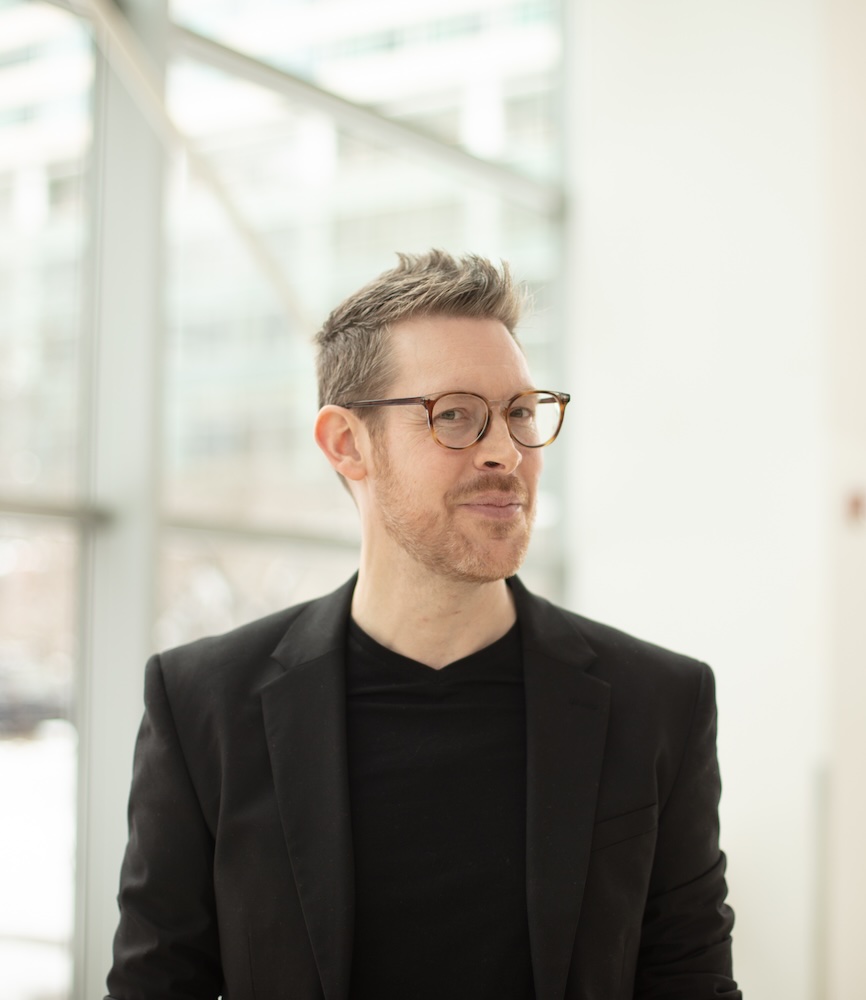
In this provocative and practical keynote, Josh Allan Dykstra challenges one of the most persistent assumptions in organizational change: that when people aren’t behaving the way we need them to, the intervention should begin with the people. Drawing from twenty years of work inside organizations — and the ideas behind his new book, Work Will Kill Us All: An Optimist’s Guide to the Future — Josh shows audiences how “people problems” are often signals of something happening upstream in the system.
Systems shape behavior. And when we ask people to change while leaving the conditions surrounding them untouched, even great people can struggle to produce different results. So if we want change that really sticks, we shouldn’t start by changing the people.
We should start by understanding the system producing the behavior.
Your group will leaving knowing how to:
- Stop wasting energy on the wrong problems — Recognize when resistance, burnout, disengagement, poor adoption, and other “people problems” are clues pointing upstream so you can address what’s actually producing the problem instead of treating symptoms.
- Find where change will have the biggest impact — Follow the friction, bottlenecks, workarounds, and places where people constantly have to “save the day” to uncover the fragile parts of your system where a relatively small change can make work dramatically better.
- Make change easier instead of forcing it — Stop relying on people to simply “try harder” or behave differently inside conditions working against them. Learn to change the conditions so the behaviors you need make more sense and are easier to sustain.
- Know where to start, even when you can’t change everything — Find your own edge of influence and identify the rewards, rules, processes, measurements, decisions, or experiments you can actually affect so you can start making meaningful progress without waiting for the whole organization to transform.
THE STORY
I spent twenty years trying to change people. OK, that’s not entirely fair; I spent twenty years trying to make work better. I taught leaders how to lead differently. I helped teams work better together. I studied what makes people productive and motivated. I built tools, frameworks, companies, and eventually an entire technology platform designed to help people love their work. And a lot of it worked. But I kept running into the same frustrating reality: you can help people change, but then you send them right back into systems that haven’t.
Eventually, I built a company around a radically different way of working. We designed it from scratch around autonomy, trust, and human energy. We ran it that way for the better part of a decade. The product worked. The way we worked worked. And the company still failed.
That failure sent me looking further upstream. It eventually became my new book, Work Will Kill Us All: An Optimist’s Guide to the Future, and it changed the question I’ve been asking for most of my career. I used to ask: How do we help people change? Today, I’m much more interested in: What is it about the system around people that makes the current behavior make sense? Because I’ve come to believe we’re asking humans to compensate for bad system design far too often.
We burn people out and try to fix it with resilience training. We ask for high-quality decisions but treat people like children. We overwhelm people with change and then wonder why they’re resistant. We build systems that reward one behavior while asking people to demonstrate another. Sometimes people really do need to change. But after twenty years of trying to make work better, I’ve learned we shouldn’t start there.
If we want change, we need to stop changing the people and start with the system instead.
LET'S TALK
"*" indicates required fields
