I didn't set out to be a futurist... or an optimist.
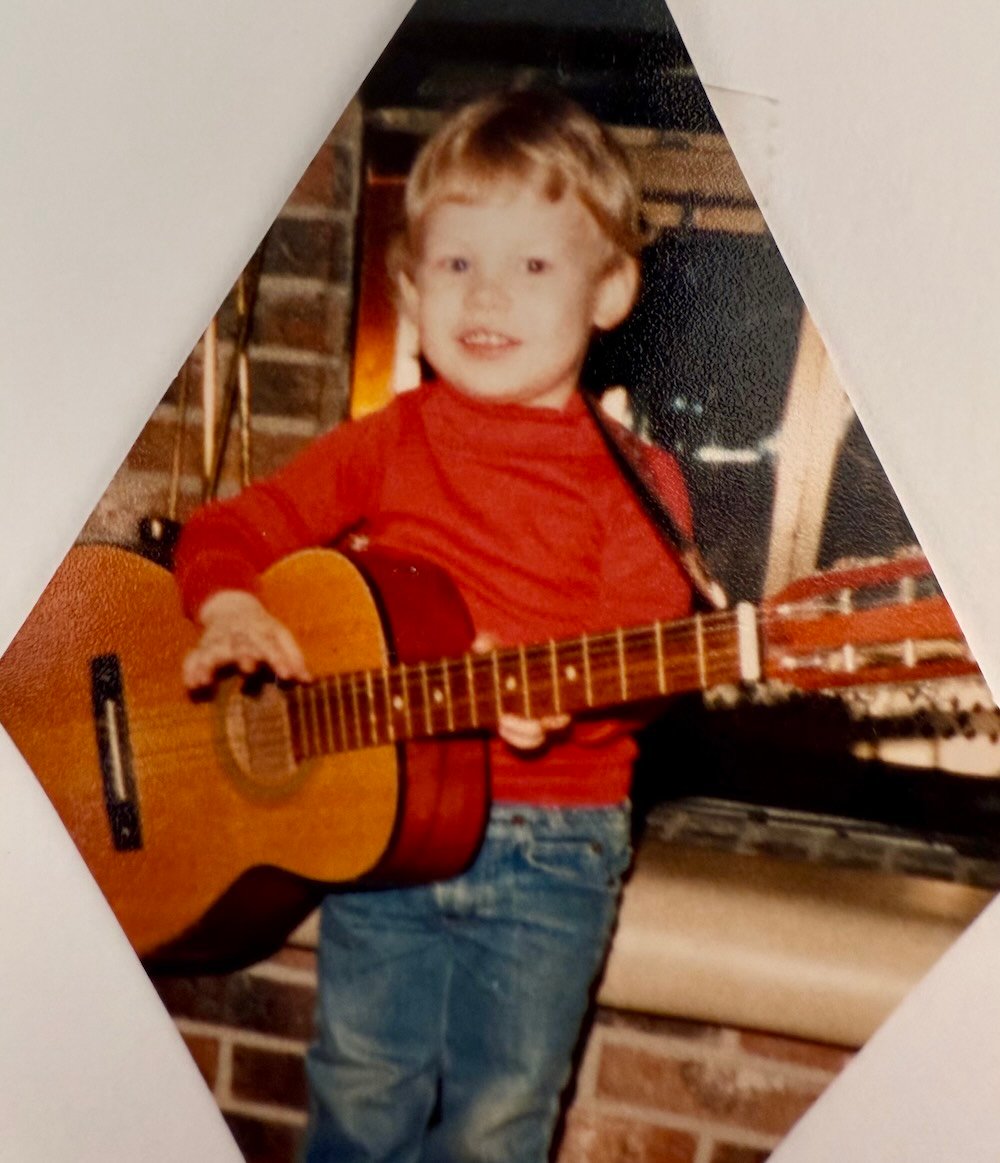
Before I ever worked with executives or spoke on big stages, I was a musician.
I spent many years learning how to read a room, feel when something was off, and understand why a group could technically be playing the right notes… and still sound wrong.
That experience quietly shaped everything that came after.
Because whether you’re on stage with a band or inside an organization, the work is always the same: you’re tuning a system, not just performing a part.
When I moved into organizations, I was struck by how familiar the challenges felt.
Talented people. Big ambitions. Lots of moving parts.
And yet — despite good intentions — so many initiatives stalled, burned people out, or quietly failed.
Not because leaders didn’t care, but because the systems themselves were out of tune.
Over the past 15+ years, I’ve worked alongside leaders employing more than one million people, from global brands like Microsoft, CHANEL, Amazon, Sony, and Genentech to public-sector and nonprofit systems.
I’ve served organizations as a founder, CEO, advisor, and speaker, which means I’ve seen transformation from every angle: visioning, planning, failure, success.
This range of experience taught me something simple but profound: most change efforts don’t fail because of bad strategy.
Changes usually fail because leaders are forced to make decisions inside systems that suck — systems that drain clarity, confidence, and Human Energy™, often before execution ever really begins.
EMPLOYEES IN CLIENT ORGS
80,000,000+
That's where the optimism comes in.
Not the sunny, “everything-will-always-work-out” kind of optimism.
The chosen kind.
I’ve seen enough broken systems to know denial doesn’t help. But I’ve also seen enough moments of real transformation to know despair is lazy.
When leaders finally make sense of what actually needs to change — when the noise quiets just enough — people don’t resist the future.
They rise to it.
Fear thrives in confusion.
But agency grows in clarity.
I’m not a born optimist. For me, optimism isn’t a personality trait, it’s a decision.
It’s an act of rebellion, a refusal to outsource our collective future to hype, fear, or inevitability.
Because the future isn't fate. It's what we dare to make.
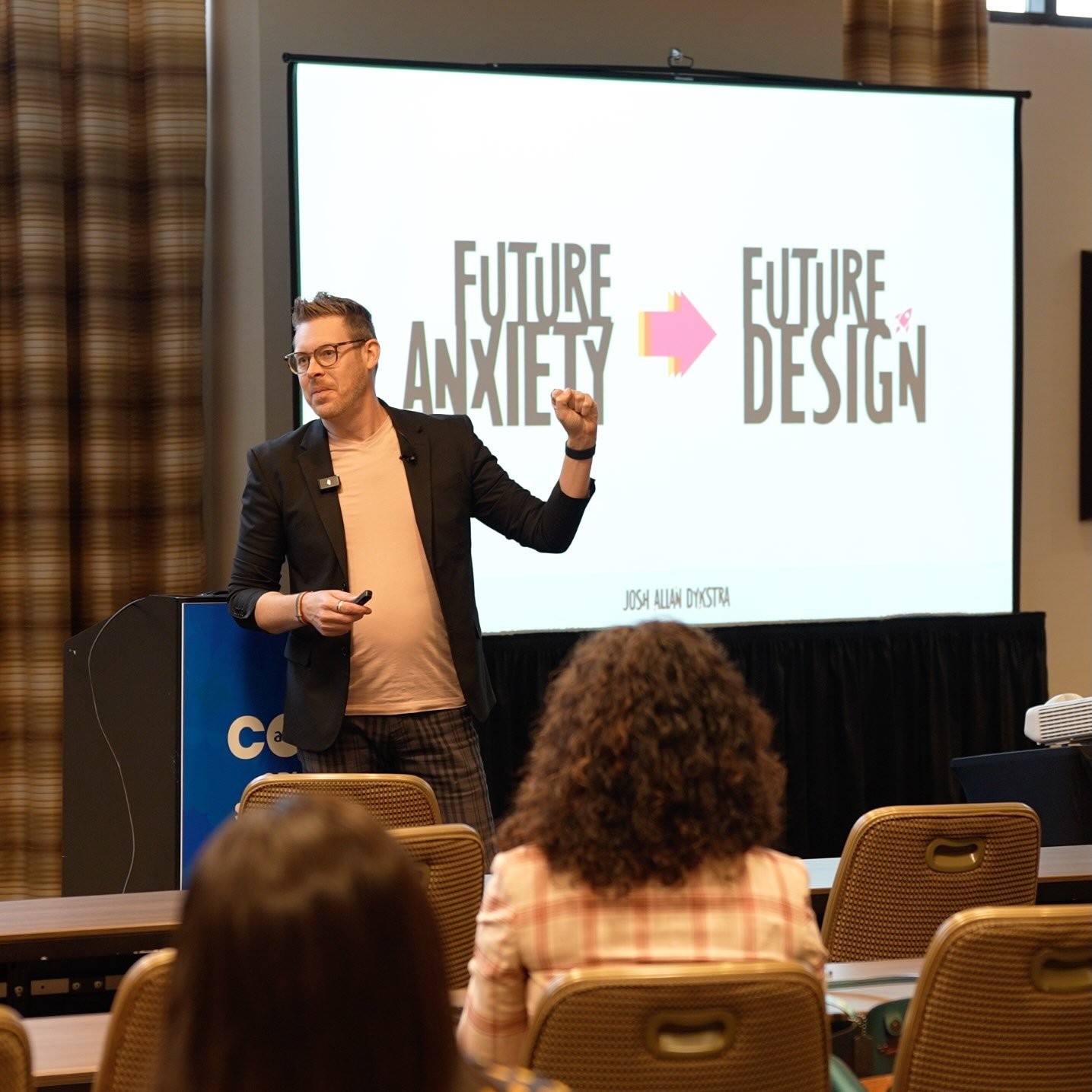
Over time, this perspective crystallized into a simple lens I call Future Design™.
Future Design™ is the way I help leaders make sense of what’s next.
It’s how we design systems that energize instead of extract, and create signal instead of noise.
This process is about asking better questions:
What should we let go of?
What should we invest in?
What kind of future are our everyday decisions quietly creating?
So these days, I’m also a futurist.
But I’m not interested in predicting the future or chasing the trend of the week. Things that last aren’t designed or built that way.
I’m interested in helping leaders recapture the clarity that will help us all create a future we actually want.
Future Design™ is about slowing things down just enough so we can make sense of what’s happening and move forward with intention instead of reaction.
When I step on stage, my goal is simple: help everyone leave with more clarity than they arrived with.
My keynotes are designed to cut through noise, reduce fear-based narratives, and give people a shared language for navigating uncertainty together.
Whether the topic is A.I., the future of work, or large-scale transformation, the work is the same:
If you’re looking for a speaker to help your organization make sense of what’s next — without hype, fear, or false certainty — I’d love to be part of that conversation.